
Blisters and Walking Football
WF4W Q&A with Foot Health Care Professional Emma Mitchell.
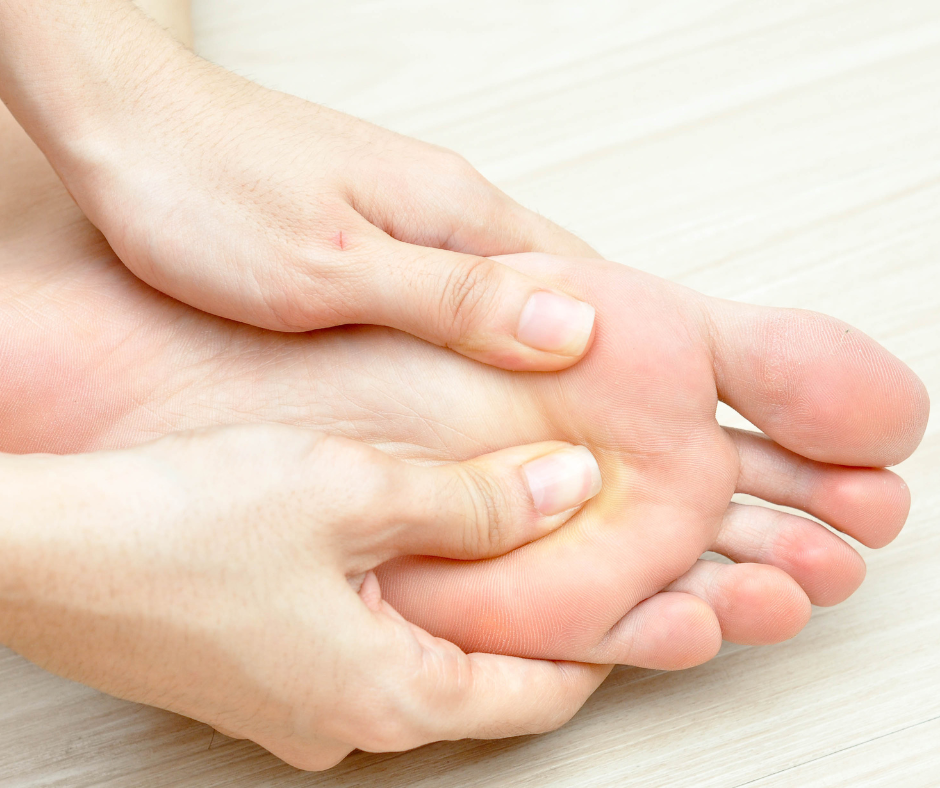
We’ve all experienced the pain of blisters at some point, but we’ve spoken to Emma Mitchell to see if there’s a way to reduce the risk of getting blisters when we’re playing walking football.
Q1 What causes blisters on the feet?
A: Blisters are most often caused by friction, where the skin repeatedly rubs against footwear or socks. For walking footballers, this is especially common due to tight boots, rapid direction changes, stud pressure, sweaty/damp feet, and long training sessions.
Q2 Why might walking football players be prone to blisters?
Though players are generally walking in a game, they will still have to stop suddenly and change direction. If games take place during warmer months, walking footballers might experience high sweat levels inside their boots. And these football boots are usually tight-fitting where control is prioritised over comfort. The hard artificial pitch surfaces can also increase boot movement. All these factors can significantly increase friction on the skin.
"Early protection is key really to preventing a painful blister," – Emma Mitchell, Foot Health Care Professional
Q3 How can I prevent blisters?
Firstly, ensure boots fit properly and that there’s plenty of room around the toes. You want to avoid excess heel slippage. When you buy a new pair of boots, break them in gradually - Wear them for short training sessions before wearing for matches.
Use moisture-wicking socks. You could consider double-layering football socks or investing in specialist anti-blister socks.
Many sports people tape areas prone to blisters. Walking footballers might benefit from using zinc oxide tape, kinesiology tape, or moleskin over heels and/or big toes. There are also friction-reducing products you can use such as balms, petroleum jelly, or sports lubricants on problem areas.
If your feet get very wet, a change socks between games or during training might prevent blistering. Also make sure to check boots regularly. Remove the familiar black rubber crumb from artificial pitches that gets everywhere, and check worn insoles that may cause rubbing.
Q4 What should I do if I feel a hot spot developing during a football game?
Stop play if possible and protect the hotspot with tape, moleskin, or a blister plaster. If you’re in a tournament this could be between games. Early protection is key really to preventing a painful blister that could also affect performance.
Q5 Should I pop a blister?
Usually no. Keeping the blister intact reduces infection risk. For walking footballers, if a blister is painful and likely to burst during play, controlled drainage (ideally by a professional) can be safer than it bursting inside a boot.
Q6 What should I do if my blister has popped?
First, clean your hands and the skin with antiseptic. Then cover with a sterile dressing or hydrocolloid plaster. These can usually be bought from pharmacists and bigger supermarkets.
Q7 How do I know if a blister is infected?
Look for redness spreading around the blister. There might be warmth, throbbing pain, pus or a cloudy discharge. If you experience a fever or see red streaks around the blister then seek urgent attention from a GP. Don’t play again until the infection has been treated.
Q8 When should I seek professional help about blisters?
As well as seeing a doctor if there are any signs of infection. Very large, painful, or blood-filled blisters should be looked at. Also if a player has diabetes, poor circulation, or reduced sensation then they should probably go see a GP to get checked out too.



Comments